School garden project strengthens learning and food security at Makena School
The Makena Senior Primary School in Namibia has recorded notable improvements in the quality of education and learning conditions through the implementation of an ecological school garden, developed במסגרת the activities of the ADSWAC project.
Before the introduction of this approach, students faced difficulties in grasping the content of the Agriculture subject, due to the predominance of theoretical teaching methods. The situation was further aggravated by the lack of adequate nutrition among some students, which affected their concentration and academic performance.
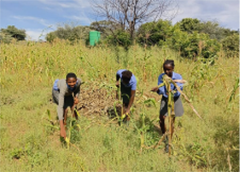
In order to address these challenges, the school adopted a practical teaching model based on the establishment of a school garden. In this context, students began to engage directly in activities such as planting, weeding, watering, and harvesting, while also incorporating practices of agroforestry and recycling.
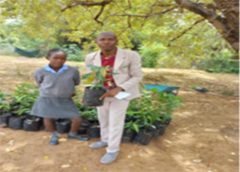
According to the Agriculture teacher and coordinator of the Green School Project, Mr. Haingura Emmanuel, the practical component has been key to improving academic performance. He highlighted that students now demonstrate a greater capacity for understanding and achieve better academic results as a result of practice-based learning.
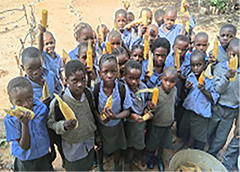
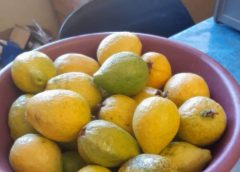
The agricultural production from the garden also contributes to strengthening food security within the school. Part of the produce is used in the preparation of meals for students, ensuring improved nutritional conditions during the school term.
The project also includes the reuse of waste paper to produce fuel for cooking, a solution that contributes to reducing pollution and preserving forest resources. In parallel, surplus agricultural production is sold to the local community and nearby educational institutions, generating income to support school activities.
In addition to academic and nutritional benefits, the implementation of the school garden has fostered greater environmental awareness among students, encouraging sustainable practices such as tree planting, food production, and maintaining cleanliness within the school environment.
With these results, Makena Senior Primary School is consolidating its position as a more resilient, sustainable institution aligned with the principles of holistic education.