Select your language

About the project


CONTEXT

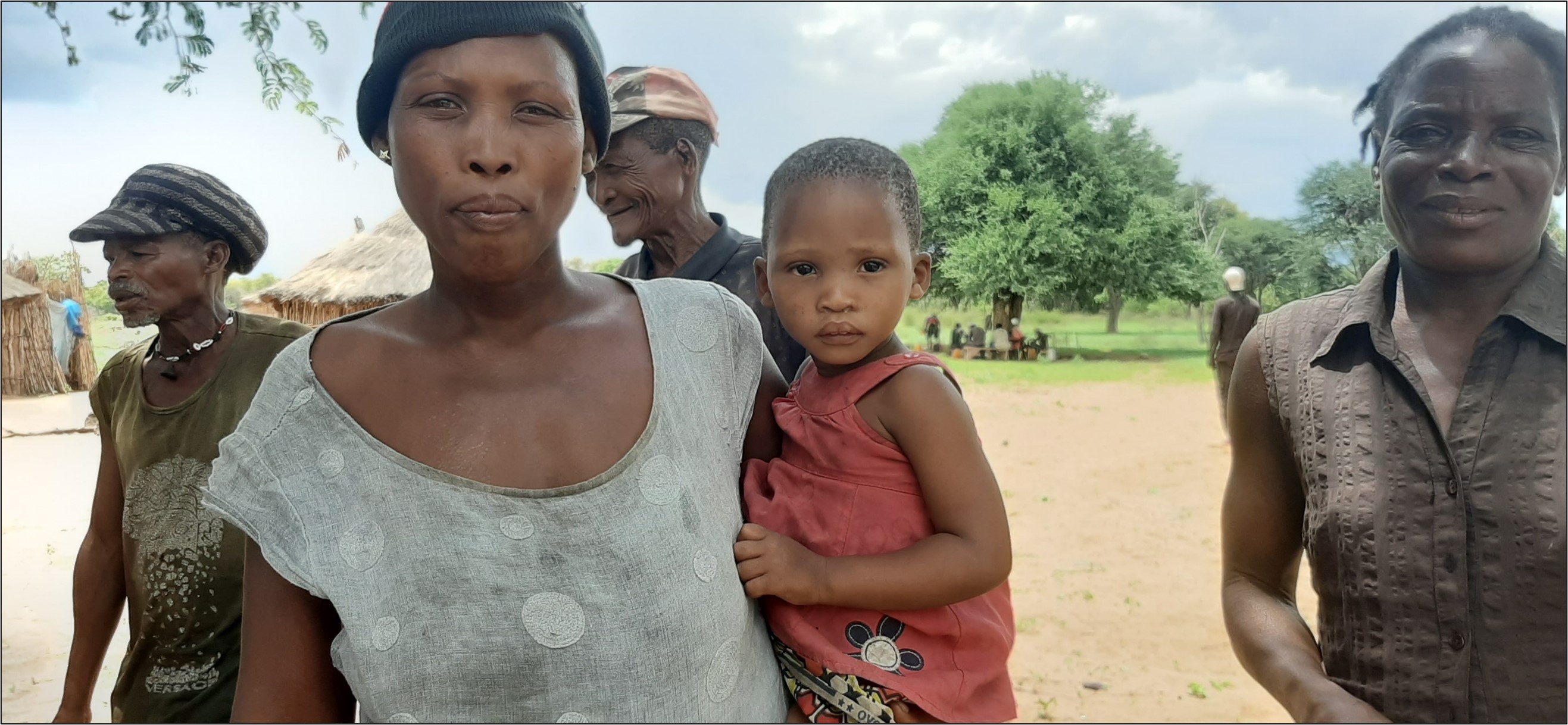
The border between southern Angola in Cuando Cubango and northern Namibia in Okavango/Kavango constitute a transboundary corridor that is dominated  by the hyper-arid, arid and semi-arid drylands depending on the amount of annual precipitation and temperature. This area faces increasing drought due to  rising temperatures and rainfall variability. The population in the area suffers from impacts induced by climate change, in the form of prolonged dry spells and drought conditions that are not about to improve without interventions to build their resilience and adapt to climate change. With such limitations, small-scale farmers and pastoralists are most vulnerable because of their limited coping mechanisms to climate change. Therefore, deliberate efforts aimed at enhancing their resilience and ecosystems to facilitate their adaptation to such impacts of droughts (and floods) are needed.

MAIN OBJECTIVE 

Enhancing the adaptation capacity and resilience of communities to climate change impacts and variability in the trans-boundary region of Angola and Namibia.

SPECIFIC OBJECTIVES 

  • Enhancing local, sub-national and regional capacities to adapt and respond to climate change risks in the trans-boundary area of Angola and Namibia,
  • Building the organizational and technical capacity for climate-resilient production and water management,
  • Improving food security in response to climate change impacts amongst rural and vulnerable communities in Cuando Cubango Province and the regions of Kavango East and Kavango West.

EXPECTED RESULTS 

  • Awareness and ownership of adaptation and climate risk reduction processes of the targeted populations enhanced,
  • Capacity at sub-national, national and regional level to adapt to climate change risks and variability in the agriculture and water sectors strengthened,
  • Productivity, livelihood diversification and income of the targeted population groups upscaled,
  • Food security of 10.000 smallholder farmers’ households improved,
  • Reduced exposure of the targeted farmers to the impacts of drought and prolonged dry spells on agricultural production increased

Expected Outcomes and Outputs

Project/ Programme ComponentsExpected OutcomesExpected Outputs

1. Strengthening awareness, knowledge and capacity to adapt to climate change and variability at community-, district-, national and regional level

1.1. Enhanced awareness and ownership of adaptation and climate risk reduction processes of the targeted populations;

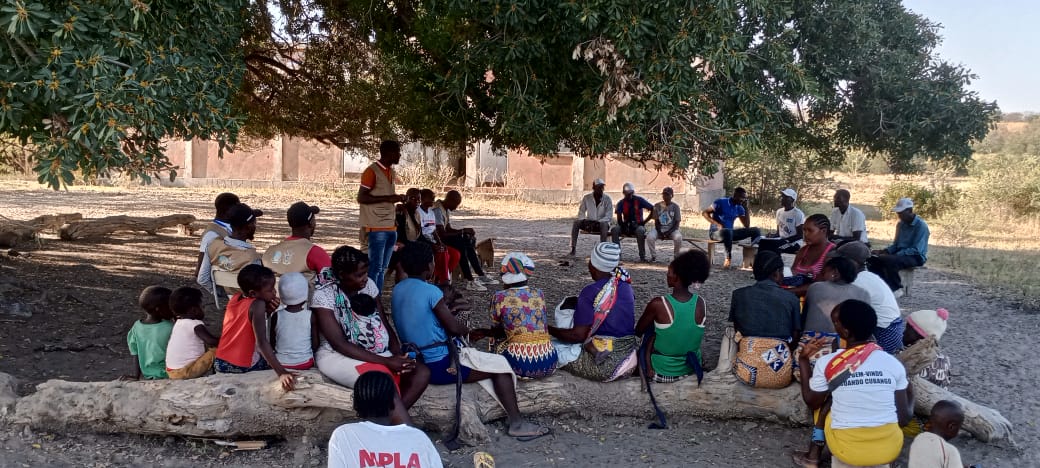
1.1.1. Communities and populations in the targeted area have participated in climate change adaptation and risk reduction awareness activities;

1.1.2. Climate change awareness and sensitization of communities

1.2. Enhanced capacity at sub-national, national and regional level to adapt to climate change risks and variability in the agriculture and water sectors;

1.2.1. National and regional centres and networks to respond to extreme weather events have been established, reinforced and supported in their operation;

2.  Organizational and technical learning for climate-resilient production and water management

2.1. Established and strengthened community-based and farmer-based organizations for agricultural production and water management;

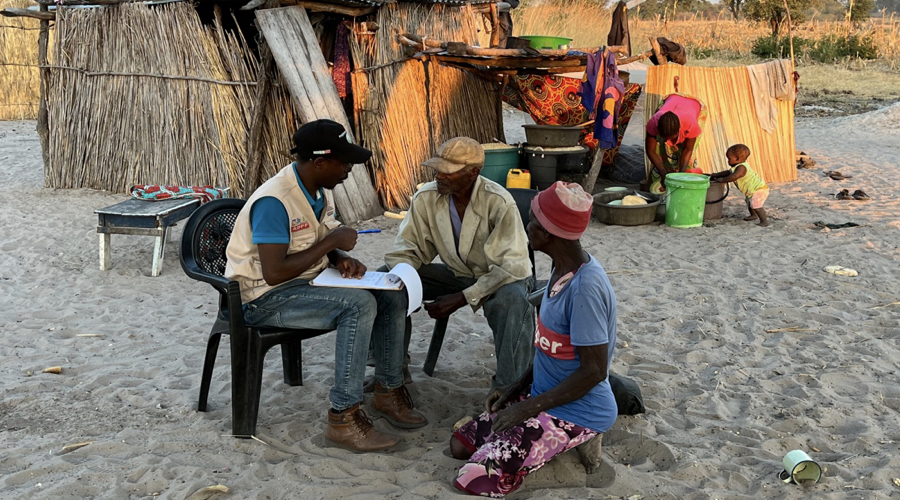
2.1.1. Capacities of extension services and institutions needs are assessed and strengthened

2.1.2. Communities are organized to adopt and mainstream to climate resilience practices (160 POs and 160 WUAs)

2.2. Enhanced technical capacity of smallholder farmers and technical staff to adopt and mainstream climate-resilient agricultural practices;

2.2.1. Climate-resilient and water-efficient agricultural practices are disseminated through extension services;

3. Improving resilience of ecosystems and livelihoods through the implementation of community adaptation actions to improve food security in response to climate change and variability

3.1. Resilience of populations and ecosystems improved through concrete adaptation measures

3.1.1. Target farmers’ and populations’ access to and use of water during the dry season are increased

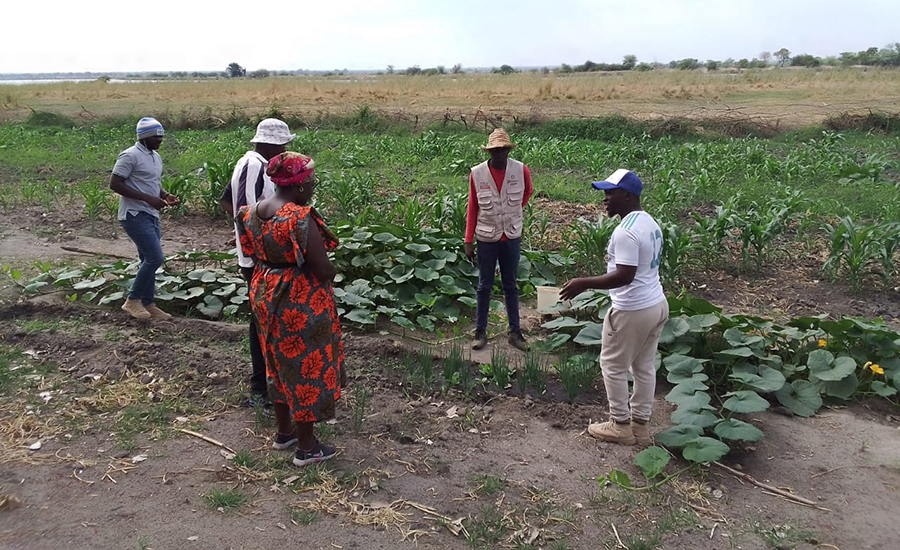
3.1.2. Production is diversified and adapted to climate change impacts

3.1.3. Sustainable fisheries are supported

3.1.4. Improved livestock production is supported

3.2. Resilience of populations' livelihoods is increased and sustained through Income Generating Activities (IGAs)

3.2.1. Production of 6,500 targeted farmers (50% women) is diversified (crop diversification, beekeeping, fishing)

Gallery photos