Director of Agriculture Notes ADSWAC Progress in Calai
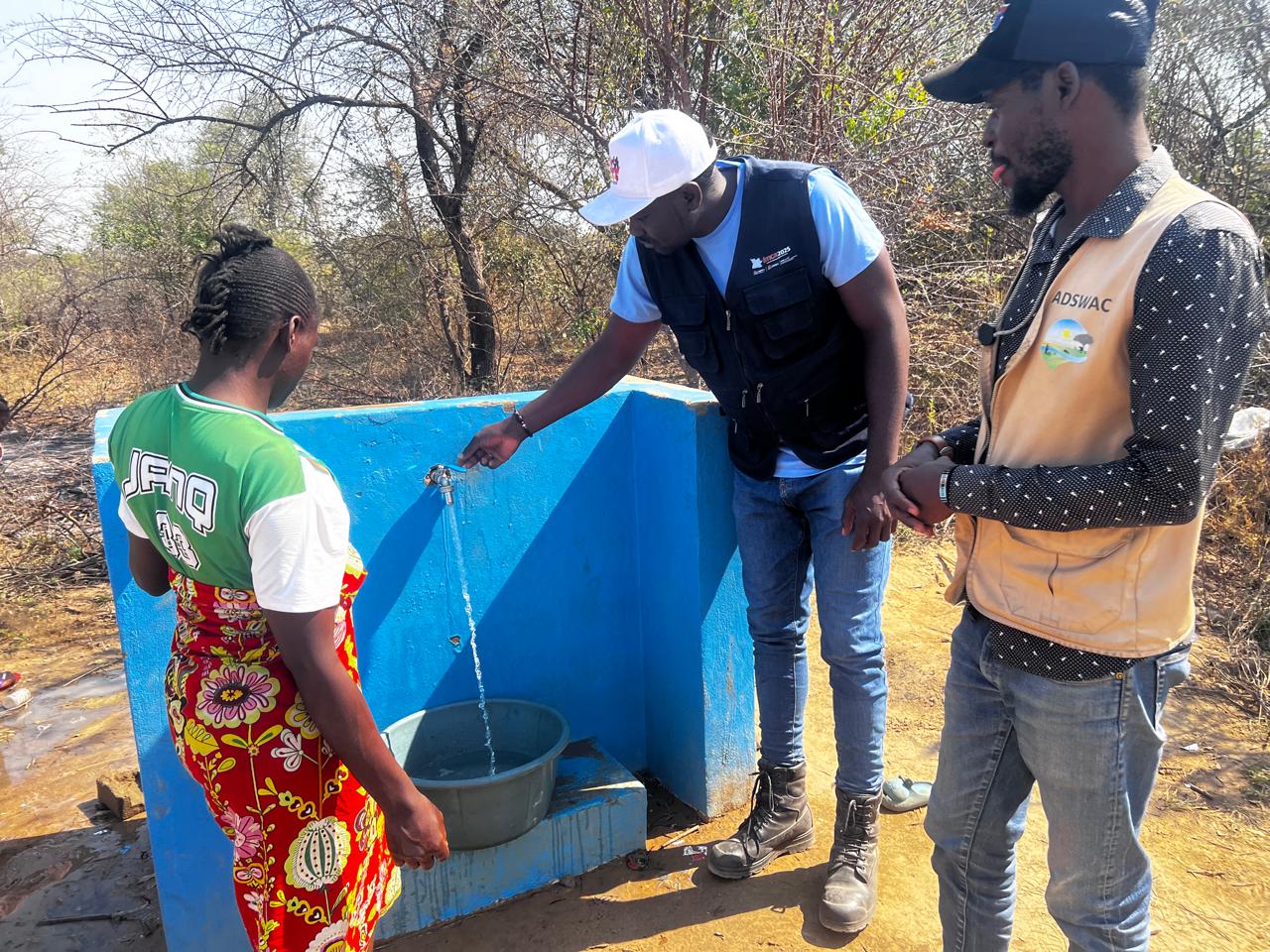
The Municipal Director of Agriculture, Livestock and Fisheries in Calai, Liwoyo Lote, visited the activities of the ADSWAC Project in the community of Lupolo and at the Calai Regional Climate Change Action Centre (CAAC), where he observed progress in agricultural production, access to water and climate change adaptation practices.
Accompanied by staff from the Municipal Directorate of Agriculture, Livestock and Fisheries, the Director visited the Lupolo Producer Organisation, where he learned about the demonstration and learning field and the plots cultivated by the 44 producers supported by the project.
Each producer has a plot measuring 17 by 30 metres, equivalent to 510 square metres, within a 2.25-hectare agricultural area enclosed by barbed-wire fencing.
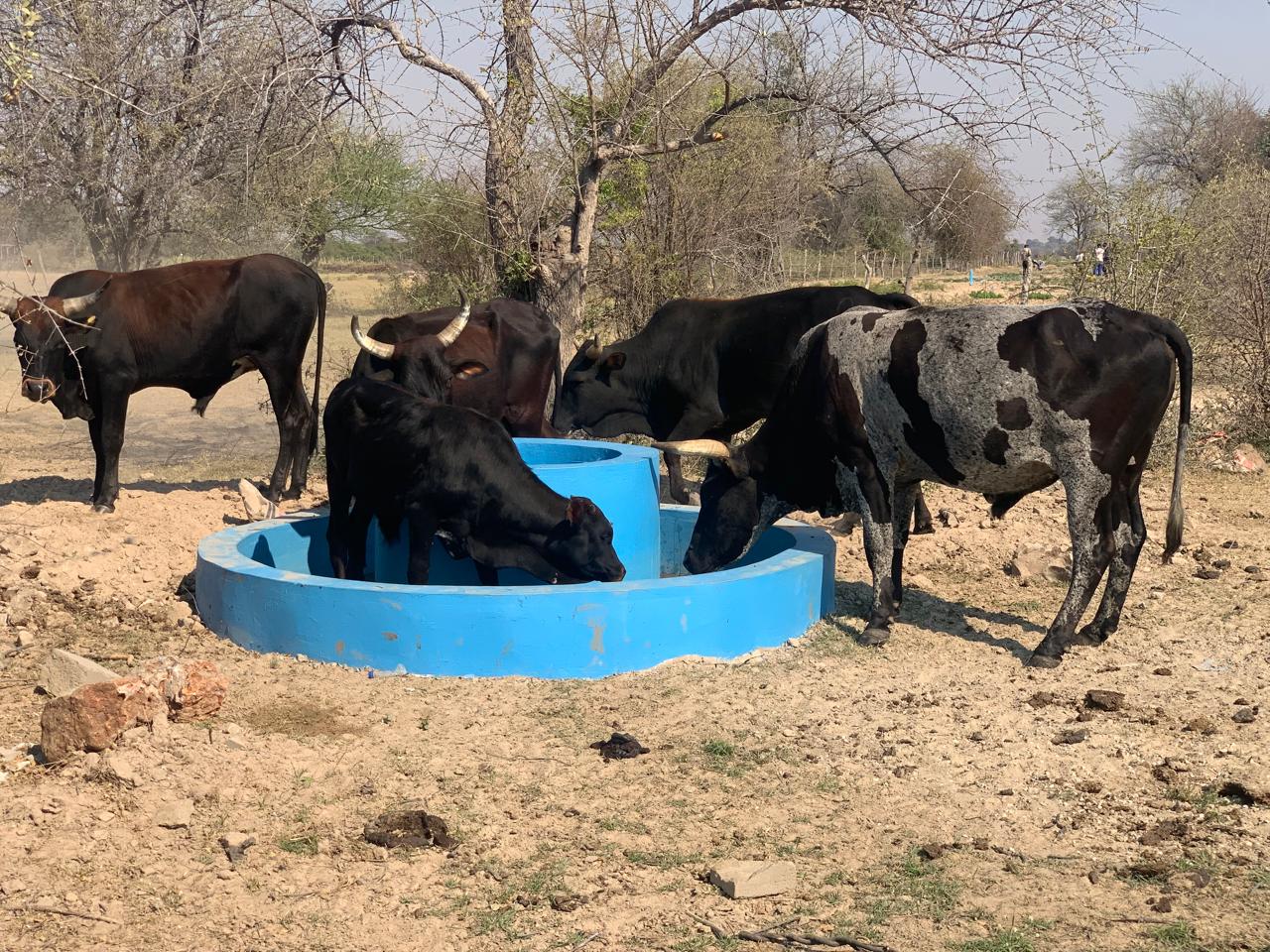
The delegation also inspected the water supply system installed by the project, powered by 14 solar panels and comprising a communal water point and a drinking trough for livestock. The system improves access to water for families, agricultural production and livestock, while also reducing the need to travel to areas where there is a greater risk of encountering crocodiles and hippopotamuses.
According to Verónica Mungumba, Treasurer of the Lupolo Producer Organisation, the improvements are already visible in the farmers’ daily lives.
“Our spirits have changed. We now have water, seeds, fenced land and better conditions for production.”
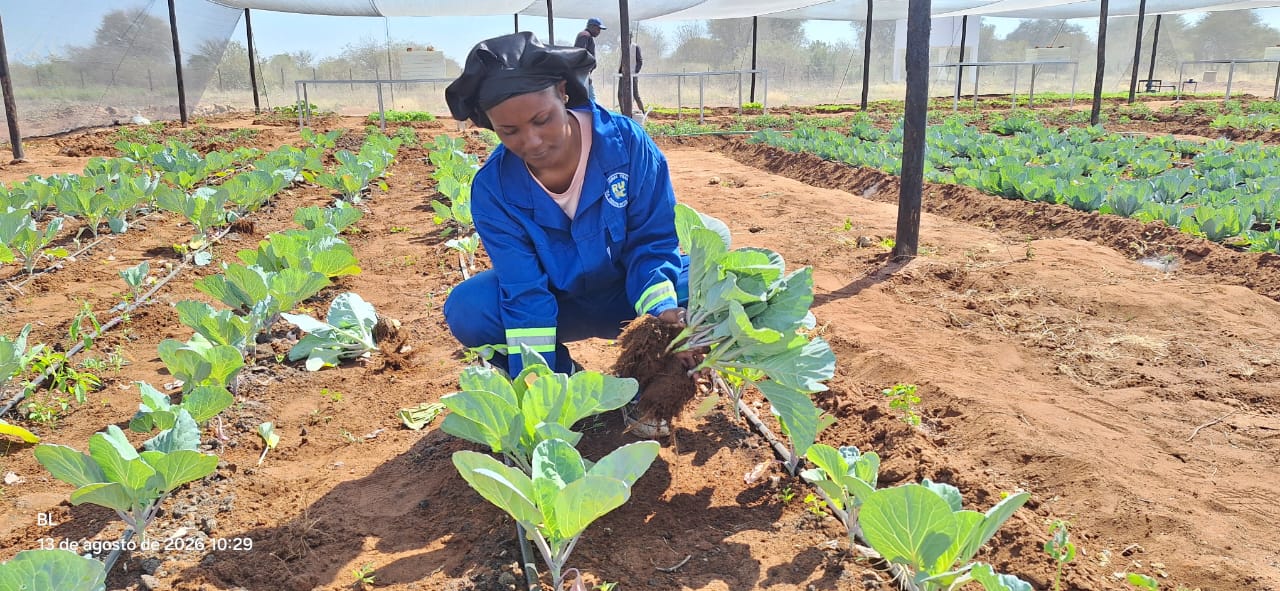
The visit continued at the Calai Regional CAAC, where the Municipal Director saw the demonstration field used by producers to learn and test agricultural techniques adapted to local conditions.
The field currently contains crops such as lettuce, kale, cabbage and tomatoes, as well as nurseries with more than 1,600 seedlings of fruit and medicinal species.
In Calai Municipality, the ADSWAC Project supports 30 Producer Organisations and 30 Water User Associations, working to improve agricultural production, water resource management and community organisation. The project also implements the Green Schools Programme in five schools, involving 25 primary school teachers in environmental education and climate change adaptation activities.
Following the visit, Liwoyo Lote highlighted the progress observed since his previous visit, which took place approximately six months earlier.
“The progress achieved is remarkable. We found better production conditions, stronger organisation and infrastructure that is responding to the needs of the communities.”
He also emphasised the importance of maintaining the facilities and continuing the work already initiated.
“The most important thing now is for the producers to take ownership of the results, continue applying the knowledge they have acquired and look after the infrastructure.”
The visit provided an opportunity to closely monitor the work carried out in Lupolo and at the Calai CAAC, demonstrating the progress made in agricultural production, access to water and the communities’ preparedness to address the effects of climate change.