ADSWAC Boosts Community Development Through Agriculture and Water Resource Actions
The ADSWAC Project continues to take firm steps in strengthening the resilience of rural communities in the provinces of Cubango and Cuando. In the municipalities of Calai and Dirico, recent actions demonstrate work that combines increased agricultural production, improved access to water, and the promotion of sustainable practices — always with strong community involvement.
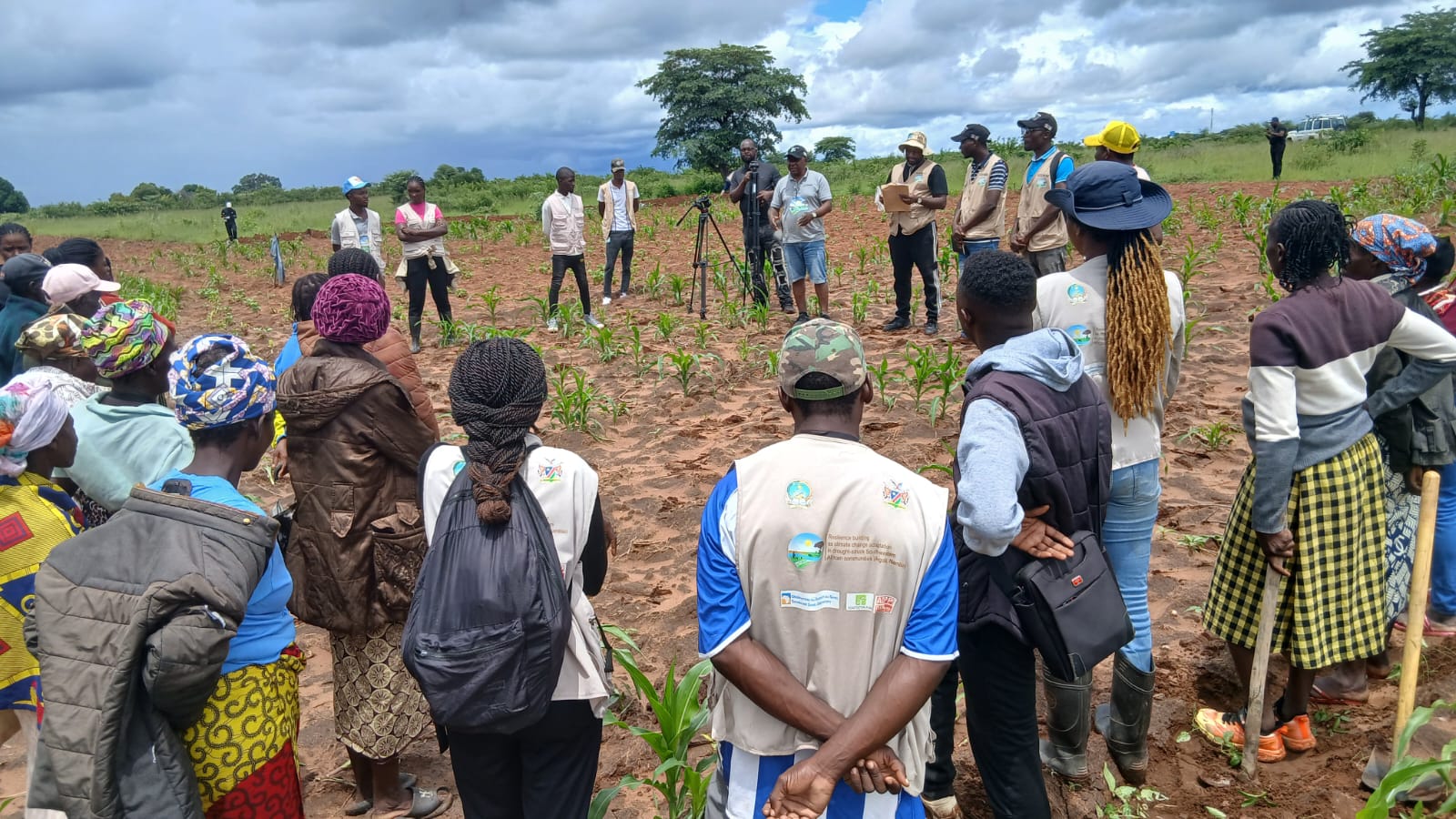
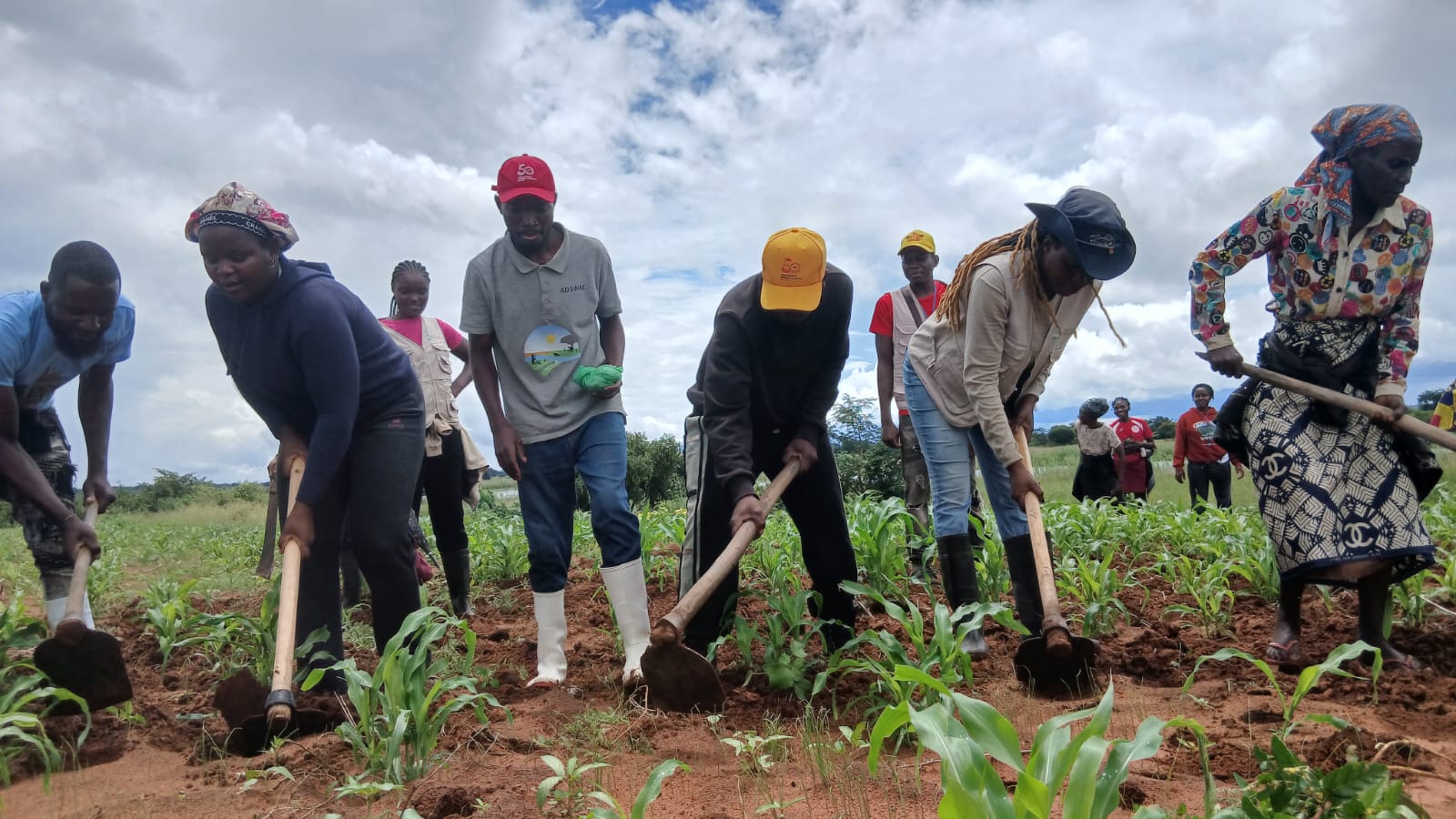
In Cuito, local farmers joined efforts, with support from the project, to carry out weed control, ploughing, and soil preparation for the upcoming planting season.
The work was well organized, with a clear division of tasks and active participation from community members. Beyond preparing the land, the initiative strengthens household food security and creates income-generating opportunities, stimulating the local economy.
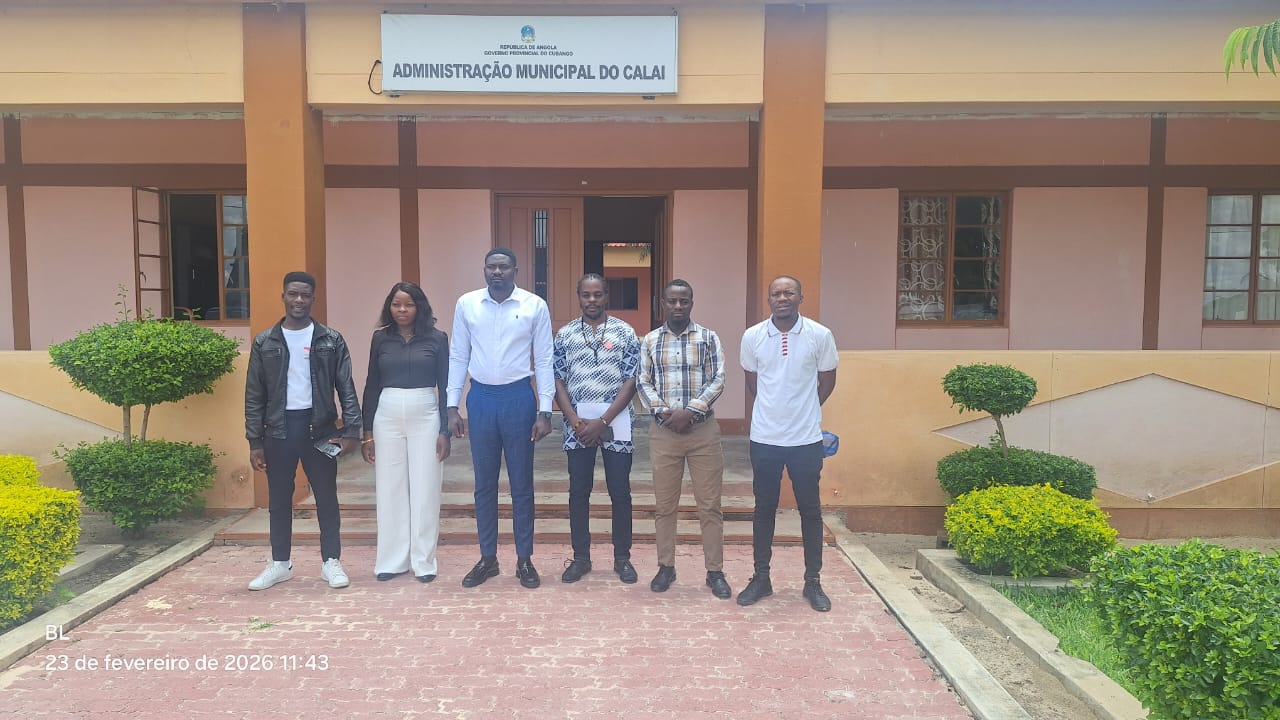
In the municipality of Calai, the focus was on institutional dialogue and technical progress in the area of water resources. The project organized a meeting with the Municipal Departments of Agriculture and of Energy and Water to officially introduce the technicians responsible for installing a pilot water supply system at the Lupololo Producers’ Organization.
The team also met with local committees in a session attended by the soba (traditional leader), where information about the implementation process was shared.
During a technical site visit, measurements were taken and the most suitable area for installing the water tank was identified — an essential step to ensure the safe and sustainable execution of the infrastructure.
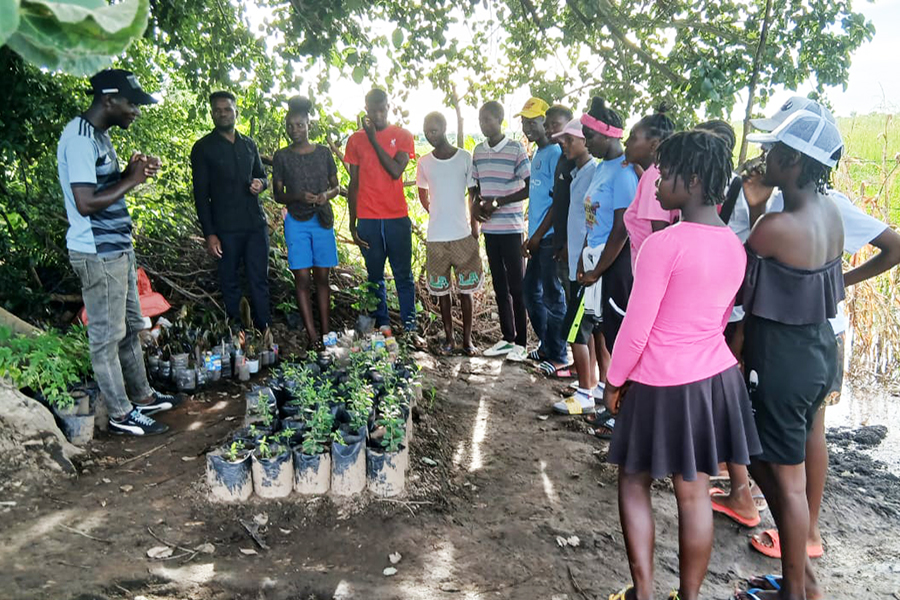
In Dirico, the focus was on environmental education and raising awareness among young people. On February 25, 2025, the experimental field of the Climate Change Centre, supported by ADSWAC, welcomed students from Escola 28 de Agosto as part of the Green Schools programme.
The visit included the launch of a nursery and a presentation of the cultivation systems used in the field. Students learned in a practical way about intercropping, the importance of soil health, and the efficient use of resources.
By exploring different types of crops and the production cycle — from nursery to harvest — the students deepened their knowledge of sustainable agriculture and climate change adaptation. An experience that goes beyond the classroom and contributes to shaping a new generation that is more aware and better prepared to face environmental challenges.